How do warehouses choose the right shelving systems?
1.First, consider the cargo's characteristics.
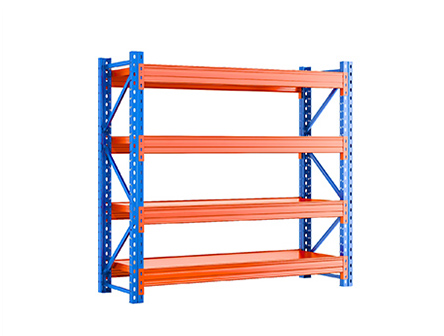
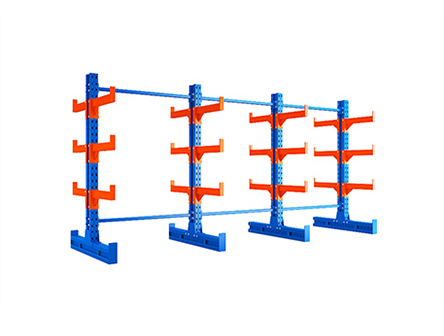
Different cargo types are best suited to different racking options. For example, heavy palletized cargo is better suited for beam-type pallet racking; long or irregular materials like pipes and plates are recommended for cantilever racking; and for boxed cargo with numerous SKUs and smaller batches, medium-duty shelf racking can be considered.
2.Clarify storage density requirements.
If the goal is to improve space utilization, high-density racking systems are a good choice. Drive-in racking, shuttle racking, and
four-way shuttle warehouses can effectively reduce aisle area and increase storage capacity.
3. Consider inbound and outbound efficiency. The warehouse's operating model and turnover rate also determine the choice of racking. For high-frequency storage and retrieval, consider flow racking or automated systems. If first-in-first-out (FIFO) is required, such as in the cold chain or food industry, consider racking systems that support batch management.
4. Consider actual warehouse conditions.
Architectural factors such as warehouse clear height, floor load bearing capacity, and column spacing also influence the layout and selection of racking and should not be overlooked.
In general, companies need to conduct a comprehensive assessment based on their business model, cargo characteristics, and warehouse conditions before selecting the appropriate racking solution. If experience is lacking, professional racking manufacturers can conduct on-site surveys and solution planning. They can provide more reasonable and cost-effective solutions based on the actual situation, helping companies achieve truly "efficiency improvements and cost reductions."